
The convergence of ancient physical value and modern distributed ledger technology has fundamentally altered the paradigm of wealth preservation by turning gold into a programmable digital asset. This transition represents a shift from static hoarding toward a dynamic, utility-driven ecosystem where the intrinsic stability of precious metals meets the velocity of digital markets. For decades, investors faced barriers such as high entry costs, storage logistics, and limited liquidity, but the advent of tokenization has effectively dismantled these hurdles. By transforming physical bullion into a digital certificate on a blockchain, financial institutions are offering a sophisticated alternative to both traditional bullion and volatile cryptocurrencies.
This review explores how tokenized gold has evolved from a niche crypto-asset into a mainstream financial instrument. By analyzing the strategic integration of tokens like Tether Gold (XAUT) within platforms like CoinDCX, one can see a clear path toward the democratization of high-value commodities. The primary objective is to evaluate the technical robustness, market utility, and long-term viability of this hybrid asset class in a global economy that increasingly demands 24/7 accessibility and transparent auditability.
The Foundation: Gold and Blockchain Integration
Tokenized gold serves as a primary bridge between tangible commodity markets and the decentralized efficiency of a blockchain. Unlike synthetic derivatives or exchange-traded funds that often rely on complex legal structures, this technology utilizes digital tokens as direct certificates of ownership for physical reserves. Every unit minted on the ledger corresponds to a specific quantity of gold, transforming the asset into a Real-World Asset (RWA) that can be traded or transferred in real time without the need for manual intermediaries.
This integration matters because it solves the “paper gold” problem, where traditional instruments might not always be backed by one-to-one physical metal in an accessible way. By placing the ownership record on a distributed ledger, the industry ensures that the history of each gram is immutable and verifiable. This implementation is unique because it combines the “hard money” properties of gold with the programmable nature of smart contracts, allowing for automated compliance and seamless integration into broader digital portfolios.
Core Components: Reserve Backing and Redemption Protocols
The technical integrity of tokenized gold depends entirely on the transparency of its underlying collateral. Leading assets like XAUT ensure that each digital token represents one troy fine ounce of physical gold held in London Good Delivery bars. These bars are not generic; they are individually identifiable by unique serial numbers, purity levels, and weights, providing a level of granular detail that traditional gold banking often lacks. This physical backing ensures that the digital price does not decouple from the global spot price of gold.
A critical feature that distinguishes this technology from its competitors is the redemption mechanism. Many digital assets are purely speculative, but tokenized gold provides a tangible safety net by allowing holders to convert their digital tokens into physical bullion. This capability turns the token into a true medium of exchange rather than just a price tracker. For institutional investors, this link to physical metal provides the necessary legal and financial assurance that the digital asset holds intrinsic value beyond the blockchain ecosystem.
Fractional Ownership: The SIP Mechanism
Blockchain technology enables extreme divisibility, which has led to the development of unique entry points like the Systematic Investment Plan (SIP). In the context of the CoinDCX and Tether Gold partnership, this allows retail users to start investing with amounts as low as ₹100. This is a radical departure from traditional markets, where purchasing a single gold bar or even a small coin requires significant upfront capital. By lowering the entry barrier, the technology democratizes access to wealth-building tools that were previously reserved for the affluent.
This fractional model is particularly effective in markets with a strong cultural affinity for gold but limited disposable income. The SIP mechanism automates the process of “dollar-cost averaging,” allowing investors to accumulate gold over time regardless of market volatility. This implementation is unique because it utilizes the micro-transaction capabilities of blockchain to mirror a familiar investment vehicle, making the transition to digital assets feel intuitive and less risky for the average consumer.
Innovation: Real-World Assets and Institutional Adoption
The current landscape of tokenized assets is defined by a shift toward institutional-grade transparency through advanced Proof of Reserve (PoR) protocols. These protocols use third-party audits and on-chain data to provide real-time verification of the physical gold held in vaults. This reduces the reliance on annual or quarterly reports, offering a level of trust that was impossible in the pre-blockchain era. Furthermore, the expansion of firms like the DCX Group into regions like the MENA through acquisitions demonstrates the growing global infrastructure supporting these assets.
The rise of “Gold-DeFi” represents another significant innovation where tokenized gold is used as collateral in decentralized lending and borrowing protocols. This adds a layer of utility that physical gold simply cannot provide, as a gold bar in a safe cannot earn interest or provide liquidity without being moved or sold. By remaining on-chain, tokenized gold becomes a productive asset, allowing users to unlock the value of their holdings while still maintaining their long-term exposure to the price of gold.
Real-World Applications: Sector-Wide Deployment
The deployment of tokenized gold is solving legacy problems across multiple financial sectors. In retail investment, it provides a stable “inflation-hedge” that balances the high volatility of other digital assets. For wealth management, financial advisors are now able to offer clients a diversified asset base that combines the security of gold with the instant liquidity of a digital token, allowing for faster portfolio rebalancing.
In the realm of cross-border transfers and remittances, tokenized gold offers a unique advantage. Because the tokens exist on a global blockchain, they can be sent across borders 24/7 without the logistical hurdles, customs fees, or delays associated with shipping physical metal. Corporate treasuries are also increasingly adopting tokenized commodities as a transparent way to maintain value on their balance sheets, ensuring that their reserves are held in an asset that is both asset-backed and highly portable within the Web3 ecosystem.
Technical Obstacles: Regulation and Security Risks
Despite the clear benefits, the path toward universal adoption is hindered by regulatory fragmentation across different jurisdictions. Governments are still debating whether tokenized gold should be classified as a commodity, a security, or a payment instrument. This lack of a unified legal framework creates a complex environment for global platforms, often requiring them to adapt their service offerings to meet varying local compliance standards.
Cybersecurity remains a persistent concern, as the digital tokens are only as secure as the underlying smart contracts and the exchanges that host them. While the physical gold is safe in a vault, the digital representation is subject to potential exploits or exchange-side vulnerabilities. Additionally, the inherent centralization of the custodian—the entity that actually holds the physical bars—introduces a single point of failure that contradicts the purely decentralized ethos of blockchain, requiring a high degree of trust in the issuer’s operational integrity.
Future Trajectory: Hyper-Tokenization and AI
The market trajectory from 2026 to 2030 suggests a move toward “hyper-tokenization,” where all precious metals and financial instruments will eventually reside on-chain. We expect to see significant breakthroughs in cross-chain interoperability, which will allow gold tokens to move seamlessly between different blockchain networks without losing liquidity. This will eliminate the current fragmentation where gold tokens on one chain cannot easily interact with decentralized applications on another.
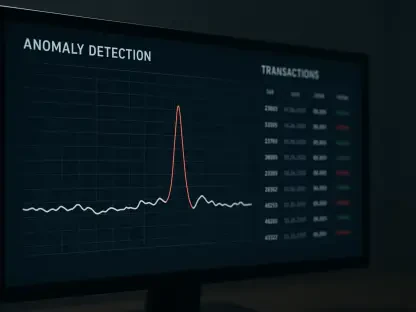
Furthermore, the integration of Artificial Intelligence (AI) in monitoring reserve audits and predicting market volatility will likely refine the ecosystem. AI can provide predictive analytics for supply chain logistics and enhance the security of the custody process by identifying anomalous patterns in token movements. Long-term, tokenized gold could serve as the foundational “neutral” currency for the digital economy, providing a stable, asset-backed alternative to fiat-pegged stablecoins that are subject to the inflationary pressures of traditional currencies.
Final Assessment: A Pivotal Financial Evolution
The review of tokenized gold demonstrated that the technology successfully resolved the historical friction between physical asset security and digital liquidity. The partnership between major exchanges and gold issuers proved that traditional value could be modernized without sacrificing the underlying trust that makes gold a premier store of wealth. It was clear that the introduction of fractional ownership and SIP mechanisms significantly lowered the barrier to entry for a global demographic of investors.
The initiative successfully simplified complex financial products into user-friendly formats, ensuring that the digital asset market remained inclusive and utility-driven. While challenges regarding regulatory clarity and centralization remained, the strategic benefits of 24/7 trading and real-time auditability outweighed the risks. Ultimately, tokenized gold functioned as a critical catalyst for the broader RWA revolution, setting a high standard for how other physical commodities should be integrated into the future of global finance.