
The rapid evolution of the digital payment ecosystem in the Philippines has necessitated a more rigorous regulatory stance to ensure that rapid convenience does not come at the cost of national financial security. As millions of transactions now flow through complex networks of third-party payment aggregators, the Bangko Sentral ng Pilipinas has moved to eliminate any ambiguity regarding who ultimately answers for illegal fund movements. This legislative shift arrives at a time when the volume of digital commerce makes manual oversight impossible, yet the legal expectations for vigilance have never been higher for traditional institutions. By formalizing these expectations, the central bank is signaling that the era of regulatory arbitrage, where responsibility could be obscured by intermediaries, has come to a definitive end. Financial institutions must now integrate their compliance protocols directly with those of their digital partners, ensuring that the oversight of the central bank remains unimpeded and effective in 2026.
Establishing a Clear Chain of Responsibility
The issuance of Memorandum No. 2026-017 serves as a decisive clarification of the regulatory relationship between BSP-supervised financial institutions and third-party payment aggregators such as PayMongo, DragonPay, and Xendit. While these intermediaries play a vital role in streamlining the digital onboarding of various merchants and providing necessary access to payment rails, the central bank explicitly mandates that their involvement does not transfer or diminish the legal obligations of the banks. Banks are now designated as the primary parties responsible for monitoring all merchant payment activities, whether they function as the originating or receiving institution in the transaction chain. This directive effectively removes the shield of operational delegation that some institutions previously used to justify less intensive monitoring. By anchoring the responsibility firmly to the licensed bank, the regulator ensures that the foundational pillars of the financial system remain under strict scrutiny.
Building on this mandate, the requirement for dual-layered responsibility ensures that no single entity operates in a vacuum, thereby preventing the creation of dangerous blind spots in the national financial infrastructure. While aggregators are still required to maintain their own independent protocols for anti-money laundering and counter-terrorism financing, banks are strictly prohibited from taking a passive or secondary oversight role. To achieve the necessary level of compliance, banks are tasked with maintaining constant visibility over the entire transaction journey, which includes securing direct access to sub-merchant data and detailed risk profiles. This approach prevents the proliferation of illicit funds that could otherwise be used to finance weapons of mass destruction or other criminal enterprises. The emphasis is on proactive intelligence sharing, where the bank’s sophisticated risk management systems must act as a final filter for every transaction processed through an intermediary.
Safeguarding Transactions against Emerging Digital Threats
Technical structural integrity is at the forefront of the new directive, specifically concerning how accounts are classified and managed within the broader banking system. The Bangko Sentral ng Pilipinas has mandated that all financial institutions strictly adhere to the Manual of Regulations for Payment Systems to ensure a clear distinction between personal and merchant accounts. This classification is vital for preventing the commingling of funds, a practice that frequently allows bad actors to hide illicit transfers within legitimate business activities. By requiring that payment aggregators utilize specific settlement accounts that are separate from their operational funds, the regulator is creating a more transparent audit trail for inspectors. This structural barrier is not merely an administrative hurdle but a critical defense mechanism against the laundering of money through complex corporate structures. Banks must now conduct periodic reviews of these account structures to verify their ongoing compliance.
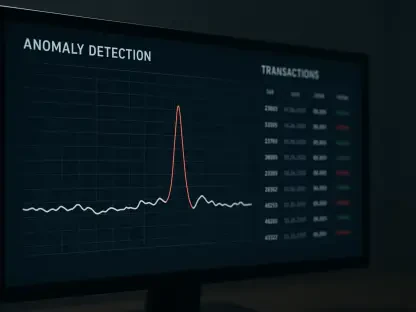
Furthermore, the directive addresses the rising sophistication of digital fraud, with a specific focus on the exploitation of QR code technology and the emergence of mule merchants. As QR codes become the dominant method for retail payments, the risk of unauthorized misuse or the creation of fraudulent payment endpoints has increased significantly. Banks are now required to implement advanced detection systems capable of identifying these “mule merchants” who facilitate the movement of stolen funds under the guise of legitimate commerce. To maintain their licenses, institutions must prove they possess the authority and the capability to terminate relationships with any sub-merchant or aggregator that fails to meet risk-based standards. This level of granular control means that banks must act as the ultimate gatekeepers of the payment ecosystem, ensuring that every digital endpoint is verified and that any suspicious pattern of behavior is reported to the authorities without delay.
Implementing Sustainable Compliance Frameworks for Tomorrow
The central bank effectively shifted the landscape of financial accountability by ensuring that digital innovation does not outpace regulatory oversight. Financial institutions responded by upgrading their technological stacks to allow for real-time data integration with third-party aggregators, thereby fulfilling the requirement for total transparency. The focus then moved toward actionable steps, such as the adoption of artificial intelligence for predictive risk modeling and the standardization of data formats to facilitate easier reporting. Management teams within these banks prioritized the establishment of specialized compliance units dedicated solely to monitoring the high-frequency transactions generated by payment intermediaries. These steps were taken to foster a more resilient financial network that could withstand the pressures of global criminal syndicates. Ultimately, the industry realized that maintaining a secure environment was a prerequisite for long-term growth and public trust in the emerging digital economy.