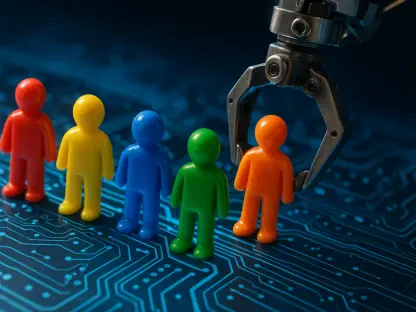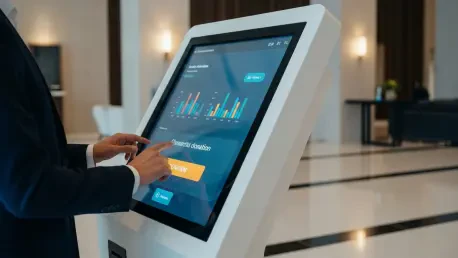

The sleek glass towers of Kuwait City reflect a nation that has moved with blinding speed into a future where the physical wallet is becoming a relic of a bygone era. For decades, the rhythmic exchange of paper dinars and metallic fils served as the heartbeat of a community defined by its quiet, pervasive generosity toward those who facilitate daily life. From the grocery packers who expertly arrange bags to the street cleaners maintaining the desert-swept boulevards, these individuals have long relied on the “economy of kindness” that functions entirely on physical proximity and tangible currency. However, as the adoption of KNET and Apple Pay reaches near-total saturation in 2026, a silent crisis of logistics is beginning to emerge. This shift represents more than just financial efficiency; it marks a fundamental disruption in the social contract that once ensured immediate, person-to-person support. The friction between digital convenience and cultural duty creates a unique challenge for a society navigating modernity while attempting to preserve its most cherished values of spontaneous compassion and communal care.
The Impact of a Cashless Society on Informal Giving
Logistical Barriers: The Loss of Spontaneity
The proliferation of digital wallets has created a significant hurdle for those who wish to practice spontaneous generosity in their daily lives. Many citizens now express a sense of profound frustration when encountering street cleaners or delivery riders, as they no longer carry the small denominations necessary for a quick, impactful tip. This technological friction has turned once-automatic gestures of kindness into missed opportunities, leaving a noticeable gap in the informal support systems that have historically characterized Kuwaiti street life. Without the physical presence of a quarter-dinar or a half-dinar note, the impulse to give is often stifled by the cold reality of a mobile screen that offers no immediate way to transfer small change to a stranger. This lack of physical currency acts as a barrier that prevents the immediate fulfillment of a charitable urge, which was once as simple as reaching into a pocket. The result is a growing sense of disconnection between the intention of the giver and the ability to execute that act of kindness.
Furthermore, the transition to a cashless existence has fundamentally altered the nature of street-level interactions, making them more transactional and less personal. In the past, the exchange of a small bill was accompanied by a brief moment of eye contact and a word of gratitude, fostering a sense of social cohesion. Today, as people move through their day with only smartphones and smartwatches, these micro-interactions are disappearing. The convenience of a tap-to-pay system at a coffee shop or a grocery store does not translate to the informal labor sector, where workers do not possess the personal point-of-sale terminals required to accept digital tips. This technological mismatch means that even the most well-meaning individuals find themselves apologizing for a lack of cash rather than providing the support they intend. This evolution in payment behavior suggests that as the infrastructure of the economy becomes more sophisticated, the traditional mechanisms for informal charity must be reimagined to ensure that the spirit of giving remains a central part of the urban experience.
Economic Consequences: The Struggle for Low-Wage Workers
For the service workers receiving these tips, the decline in physical cash transactions is more than a minor inconvenience; it is a direct threat to their supplemental income. Small contributions from residents often accumulate to cover essential daily costs, such as fuel for delivery bikes, mobile phone credit, or basic meals like breakfast sandwiches and tea. As consumers rely more on cards and mobile devices, the micro-economics of the working class are being squeezed in ways that are not always visible to the average high-income resident. These informal tips represent a vital financial cushion that helps workers navigate the rising cost of living in a rapidly developing nation. When these small streams of income dry up due to the lack of physical change, the impact is felt immediately in the quality of life and the purchasing power of those at the bottom of the economic ladder. This highlight shows how the digital divide can unintentionally marginalize individuals who have long depended on the “economy of small change” for their basic survival.
The shift toward a cashless economy also creates a broader economic disparity that is often overlooked in discussions about technological progress and financial innovation. While the professional class enjoys the seamless efficiency of digital payments, the informal sector remains tethered to a cash-based system that is increasingly becoming obsolete. This creates a situation where workers are essentially taxed by the unavailability of currency, losing a percentage of their expected income simply because the customer lacks the means to pay them. This dynamic is particularly poignant in 2026, as the cost of daily essentials continues to climb, making every small tip more valuable than ever before. The loss of these spontaneous payments means that workers must work longer hours or find alternative ways to supplement their earnings, often at the expense of their well-being. The disappearance of physical currency thus acts as a regressive pressure on the most vulnerable members of the workforce, necessitating a closer look at how digital systems can better serve those who lack formal financial inclusion.
Adaptation and the Evolution of Tipping
Digital Workarounds: In-App Solutions
In response to the lack of physical currency, both businesses and individuals are seeking creative alternatives to maintain the tradition of tipping. Food delivery platforms and ride-sharing applications have begun integrating tipping functions directly into their checkout processes, making the act of giving seamless and frequent for tech-savvy users. These in-app solutions provide a transparent way for customers to support workers, often allowing them to choose from pre-set percentages or enter a custom amount. For many, this has made the process of giving more consistent, as it removes the friction of searching for physical cash and ensures that the worker receives the tip regardless of whether the customer has a wallet on hand. This integration of charity into the digital workflow reflects a broader trend of “individual responsibility,” where the technology provider takes on the role of the facilitator for social goods. However, while these systems are effective for app-based services, they still leave out many categories of workers.
In sectors where such sophisticated digital infrastructure is missing, such as at gas stations or local car washes, customers and workers have had to develop their own ad-hoc solutions. It is now common for a driver to ask a gas station attendant to charge an extra amount on their KNET card as a tip, which the attendant later retrieves as cash from the business owner. While this requires a high degree of trust and manual effort, it demonstrates a persistent sense of individual responsibility to maintain charitable habits despite technological limitations. These workarounds show that the desire to give remains robust, even when the primary medium for doing so has changed. The evolution of these informal systems suggests that there is a significant market demand for more flexible digital tipping solutions that can be applied across various service industries. As more people move away from cash, the success of maintaining Kuwait’s culture of generosity will likely depend on the widespread adoption of these creative digital bridges between different economic classes.
Psychological Shifts: Physical vs. Digital Money
The transition from tangible bank notes to digital balances has revealed a fascinating psychological aspect of how people perceive value and practice generosity. Many individuals find that breaking a large bill into smaller denominations “tricks” the mind into being more generous, as a stack of small notes feels less significant than a single large one. When a person holds a stack of quarter-dinar notes, giving one away feels like a minor gesture, whereas seeing a declining balance on a mobile app can trigger a more cautious financial mindset. Without physical cash to manipulate in this way, there is a risk of developing a “not today” mindset, where the lack of immediate means leads to a long-term reduction in the frequency of personal charitable acts. This psychological barrier is a byproduct of the digital interface, which often presents money as a singular, precious number rather than a divisible resource. The tactile experience of handling money once facilitated a specific type of low-stakes generosity that digital transactions struggle to replicate.
Furthermore, the “pain of paying” is often cited by psychologists as being lower with digital transactions, but this does not always translate to increased charity. While people might spend more on consumer goods when using a card, the deliberate act of giving a tip requires a different kind of mental engagement. In a digital environment, a tip is often a prompt at the end of a transaction, which can feel like an obligation rather than a spontaneous act of kindness. This shift from an active, physical gesture to a passive, digital selection changes the emotional connection between the giver and the recipient. To combat the reduction in giving, some individuals have started to intentionally withdraw cash specifically for tips, treating it as a separate budget dedicated to charity. This effort to maintain physical currency for the sole purpose of tipping highlights the enduring belief that personal, person-to-person giving has a value that goes beyond the mere transfer of funds. It suggests that the psychological satisfaction of giving is deeply tied to the tangible nature of the exchange itself.
The Rise of Institutionalized Giving
Transitioning: Mindful and Scheduled Charity
As spontaneous person-to-person giving becomes more difficult due to the cashless trend, many Kuwaitis are shifting their focus toward institutionalized digital platforms. Government-vetted applications like Sahel have emerged as a primary solution to the “trust barrier,” allowing users to set specific budgets for licensed NGOs and charitable projects with a high degree of transparency. This marks a significant transition from “spontaneous charity” to “scheduled charity,” where giving is more transparent, planned, and organized, but often lacks the immediate human connection found in traditional tipping. These platforms allow users to browse through various causes, from local food banks to international relief efforts, and make donations with a few taps. This institutionalized approach ensures that funds are distributed efficiently and reach those in greatest need through official channels. While this solves the problem of how to give in a digital world, it fundamentally changes the experience of the giver from an actor in the street to a donor on a platform.
This shift toward mindful, scheduled giving also reflects a desire for more accountability in how charitable funds are used. In the past, a small tip given to a street worker was an act of faith, with no way to know how the money would ultimately be spent. Today’s digital platforms provide detailed reports, updates on project progress, and official receipts, which appeals to a younger generation that values data and impact tracking. This professionalization of charity has strengthened the financial position of many NGOs, allowing them to plan long-term projects with more predictable funding streams. However, some social critics argue that this “app-based” philanthropy risks turning charity into just another monthly subscription, like a streaming service or a gym membership. While the efficiency of these systems is undeniable, the challenge remains to keep the human element of charity alive. The transition to digital platforms suggests that while the methods of giving are evolving, the core motivation remains rooted in a sense of social responsibility and the desire to make a difference.
Balancing Modernity: The Moral Obligation
The shift toward digital philanthropy ensures that NGOs remain well-funded, yet it reflects a broader change in how social duties are performed within the community. While digital tools offer unparalleled transparency and convenience, many citizens still feel a strong moral obligation to help the “needy”—defined in the local context as those who work hard but struggle with the rising cost of living. The challenge for Kuwaiti society in 2026 remains the integration of this spirit of kindness into a digital-first world to ensure that no one, especially the informal worker, is left behind. This balance requires a conscious effort to recognize that technology is a tool for facilitation, not a replacement for empathy. Many families are now teaching the next generation to be “digitally generous,” encouraging them to use apps for large donations while still keeping a small amount of cash for the human interactions they encounter daily. This dual approach helps maintain the traditional social fabric while embracing the benefits of a modern, efficient economy.
Ultimately, the future of charity in Kuwait will likely involve a hybrid model where institutional digital platforms and informal personal gestures coexist. The development of more accessible digital payment terminals for service workers could potentially bridge the gap, allowing for a “digital tip” that feels as immediate and personal as a cash note. Until such technology becomes universal, the burden of maintaining the economy of kindness falls on the individual to remain intentional in their habits. The ongoing discussion about cashless payments is not just about finance; it is a conversation about the kind of society Kuwaiti residents want to build as they move deeper into the 2020s. By prioritizing both efficiency and empathy, the nation can ensure that its digital transformation does not come at the expense of its cultural identity. The commitment to helping others, whether through an app or a physical bill, remains a defining characteristic of the nation, proving that while the medium may change, the underlying value of generosity is as strong as it has ever been.
The transition toward a cashless economy in Kuwait prompted a significant reevaluation of traditional charitable practices. Observers noted that the decline of physical currency initially created a vacuum in the informal support systems that low-wage workers relied upon for daily expenses. However, this period of adjustment also sparked technological innovation, leading to the integration of tipping features within mobile applications and the rise of government-sanctioned digital platforms for philanthropy. These advancements provided a more structured and transparent way to give, ensuring that large-scale charitable efforts remained well-funded and accountable. The society demonstrated resilience by developing creative workarounds and adopting a more mindful approach to scheduled giving. In the end, the shift highlighted the importance of intentionality, showing that maintaining a culture of generosity required proactive efforts to bridge the gap between digital convenience and personal compassion. This evolution suggested that the nation successfully adapted its moral obligations to fit the requirements of a modern, digital-first economy.