
Kofi Ndaikate is a prominent voice in the global fintech arena, where his deep understanding of regulatory frameworks and digital transformation has made him a sought-after strategist. With a career spanning the complexities of blockchain, cryptocurrency, and financial policy, he possesses a unique vantage point on how technology can solve systemic economic failures. In this discussion, we examine the critical state of the European pension landscape, specifically focusing on the recent 10 million euro funding milestone for the WealthTech platform Warren. We explore why traditional insurance products are failing the workforce, how international models like Australia’s offer a blueprint for success, and the role of artificial intelligence in empowering individuals to take control of their long-term financial health.
With a recent 10 million euro seed round secured from investors like Motive Partners and F Capital, how do you plan to scale operations to address the deep-seated issues in the Belgian pension market?
The recent capital infusion of 10 million euros is a powerful endorsement of our mission to fix a system that has been broken for decades. We are immediately putting this funding to work by expanding our internal team by approximately thirty professionals to manage our rapid growth and ensure our technology remains world-class. While our current operations are focused on consolidating our presence in Belgium, where we already serve over one hundred companies like Lighthouse and Poppy Mobility, this round provides the necessary runway for international expansion. We are already laying the essential groundwork to enter one or two larger European markets in the near future. Our ultimate target is to have 100,000 employees actively using the platform by 2028, turning retirement planning from a neglected administrative task into a proactive wealth-building journey for the masses.
Why are traditional retirement products like Branch 21 and Branch 23 failing Belgian employees, and what makes your regulated fund a more viable alternative?
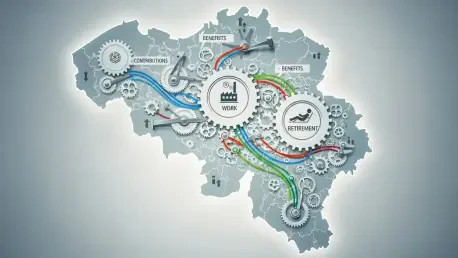
The traditional system is failing because it was never designed for the modern economic reality of low interest rates and high inflation. Currently, the median supplementary pension reserve for Belgian employees aged 56 to 65 is less than 10,000 euros, which is a staggering figure that highlights how little these people have to show for decades of work. Branch 21 products often promise safety but deliver nominal returns that are eaten away by inflation, while Branch 23 products are frequently weighed down by high management charges that erode the benefits of compounding. Our Warren Pension Fund OFP, which secured its IBP license in June 2025 under FSMA supervision, operates on a completely different philosophy by eliminating entry and exit fees entirely. We charge employers a fixed subscription fee instead of a percentage of assets, which ensures that 100% of the investment return from our diversified ETF portfolios goes directly to the employee’s future.
When you compare the Belgian landscape to international success stories like Australia, what specific structural changes are needed to ensure long-term prosperity for the workforce?
The difference in outcomes between these regions is massive, largely because leaders like Australia have embraced a culture of compounding and market exposure. Australia has built a pension capital pool of approximately 2,500 billion euros—roughly twice their national GDP—by requiring employer contributions of at least 11% of gross salary. In comparison, Belgium’s second-pillar reserves account for less than a fifth of our GDP, which represents a significant wealth gap for our citizens. To bridge this, we must move away from the “black box” nature of group insurance and adopt the transparency found in the Netherlands and Scandinavian nations. By providing a digital-first platform where employees can see their money growing in real-time, we are trying to replicate those high-performing international models and fix a worker-to-retiree ratio that is currently shifting in the wrong direction.
How does the integration of AI-powered financial coaching and real-time bank data through PSD2 change the daily relationship employees have with their retirement savings?
Finance is often viewed as a daunting and static field, but our AI coach changes that by making financial literacy interactive and highly personalized. By pulling real-time data from PSD2-enabled bank transactions, Mypension.be, and employer compensation packages, we provide employees with a comprehensive view of their total financial health. This technology allows users to get immediate answers to complex life questions, such as how much they need to save to retire at a specific age or what income they can rely on during a long-term illness. It even helps with current financial burdens, like determining the best way to renegotiate a mortgage or optimize a monthly budget. For more nuanced situations, we maintain a human touch with nine domain specialists available for video consultations, ensuring that every user has the support they need to navigate their unique financial path.
What is your forecast for the European pension and WealthTech sector?
I believe we are entering an era of radical transparency where the opaque, high-fee models of the past will no longer be tolerated by either employers or their staff. Over the next decade, we will see a widespread shift toward IBP-licensed funds that prioritize low-cost ETF investing and provide employees with 24/7 digital access to their accounts. As statutory pensions continue to come under pressure from declining birth rates and an aging population, the role of WealthTech platforms will transition from a “nice-to-have” benefit to a critical pillar of social stability. We will see more cross-border integration where retirement assets become portable and personalized, driven by AI that acts as a lifelong financial guardian. Ultimately, the companies that thrive will be those that can transform the pension from a confusing annual paper statement into a dynamic tool that empowers people to build genuine, lasting prosperity.