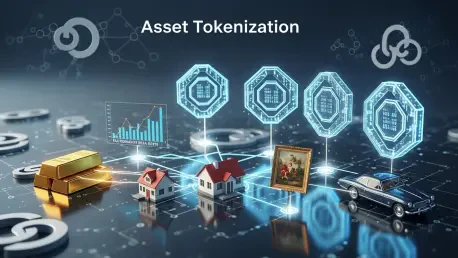

The integration of global financial systems into decentralized networks reached a pivotal milestone when traditional capital markets officially converged with blockchain through institutional-grade infrastructure. This evolution became evident on May 5, 2026, as Coinbase formalized a strategic partnership with Centrifuge, establishing the platform as the preferred layer for bringing real-world assets into its ecosystem. This collaboration is backed by a strategic equity investment, signaling a commitment to moving beyond the speculative nature of early digital assets toward a sophisticated framework for tokenized exchange-traded funds and complex credit products. By prioritizing the deployment of these assets on the Base Layer-2 network, the initiative aims to provide a high-throughput environment capable of handling the rigorous demands of institutional liquidity. The shift focuses on the plumbing of modern finance, where transparency and efficiency are not just theoretical benefits but operational necessities for large-scale asset managers seeking to modernize their offerings.
Bridging the Gap: Institutional Infrastructure and Market Expansion
Centrifuge currently stands at the forefront of this movement, managing approximately $1.66 billion in total value locked while serving as a conduit for major financial powerhouses. The platform provides essential on-chain strategies for entities like Apollo, Janus Henderson, and S&P Dow Jones Indices, proving that blockchain utility has transitioned into the mainstream financial lexicon. This growth occurs as the broader real-world asset sector climbs toward a valuation of $27 billion, fueled predominantly by the $16 billion currently held in tokenized treasuries and fixed-income instruments. While the partnership designates Centrifuge as a preferred partner, the infrastructure remains inclusive, as Coinbase continues to engage with other platforms like Superstate and Apex Group for specific fund structures. This diversified approach suggests that the goal is not to create a monopoly but to build a resilient, multi-faceted ecosystem where various institutional products can find the most appropriate and secure technical foundation for their specific regulatory needs.
Future Pathways: Technical Efficiency and Regulatory Readiness
The strategic alignment prioritized a transition from simple asset migration to the rigorous structuring of high-quality financial products specifically designed for institutional portfolios. This development coincided with a significant operational transformation at Coinbase, which utilized advanced artificial intelligence tools to streamline internal workflows and reduce its workforce by 14 percent to enhance overall productivity. These technological advancements allowed the industry to move past the initial experimental phases and focus on scalable solutions for the 2026 to 2028 period. Financial institutions evaluated these on-chain opportunities by prioritizing legal clarity and technical interoperability across different ledger systems. Investors looked toward hybrid models that combined the security of established finance with the programmable nature of smart contracts. The next phase of adoption required market participants to integrate these tokenized workflows into existing back-office systems while maintaining strict compliance with evolving international standards for digital securities.